Automated API Testing, Without Writing Code
The APIs and the flows they power. Tested together.
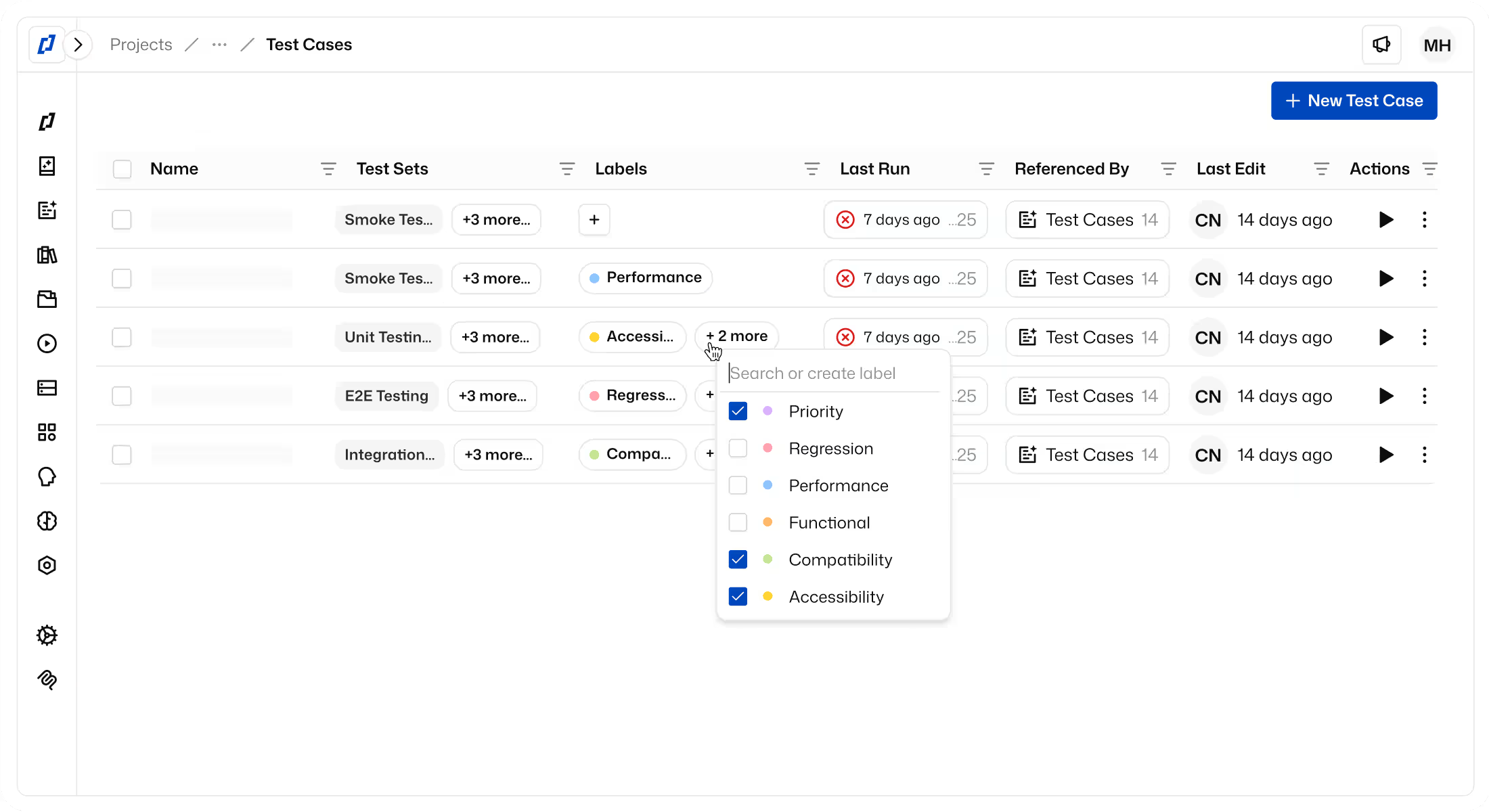
Thunders generates, runs and maintains your API tests next to the UI flows they support. Describe the request, the expected response and the checks that matter. Thunders builds the test and keeps it working as your endpoints change.
Trusted by














What is automated API testing?
Automated API testing means calling your endpoints as part of a repeatable test (sending the request, then asserting on what comes back) instead of checking responses by hand in an HTTP client. It covers regression after a change, and it catches the failures a UI test cannot see: a wrong status code, a missing field, a value that quietly changed shape. Traditionally you write those calls and assertions in a framework and maintain them yourself. Thunders builds the API step from a plain-language description, keeps it beside the end-to-end flow it belongs with, and runs both in the same pipeline.
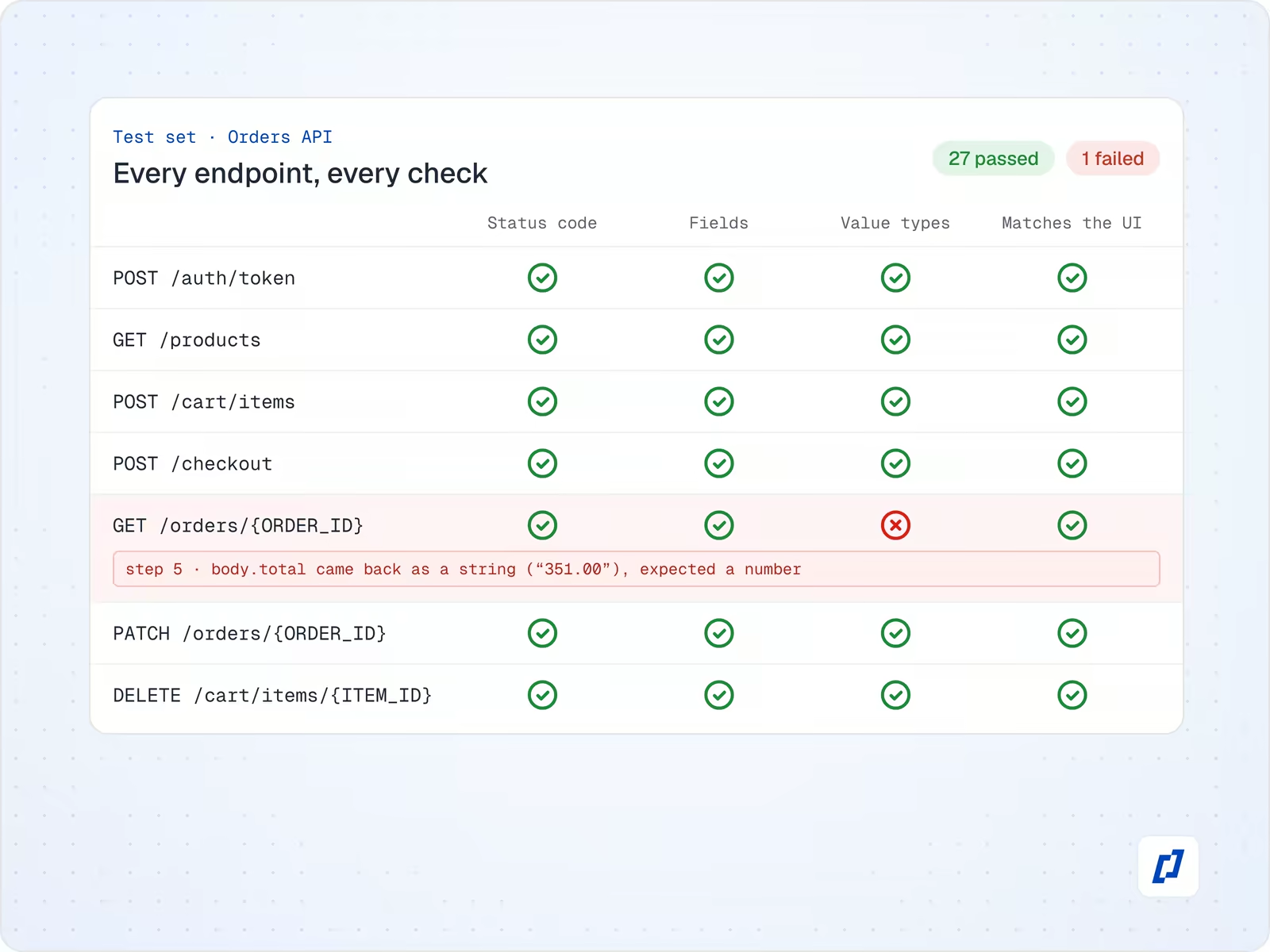
API testing catches what your UI tests miss.
- API checks written in a separate framework, maintained by a separate person
- Response assertions hard-coded, brittle the moment the payload shifts
- Auth tokens and environment variables managed by hand
- No link between the API test and the user flow it supports

- Describe the request and the expected response in plain language
- Chain steps so one response feeds the next request
- Validate status codes, fields and values without writing assertions by hand
- API and UI checks live in the same test and run in the same pipeline
One platform for the request and the flow around it.
Most tools make you script the call and the assertions. Thunders builds the API step from a plain-language description and keeps it beside the UI flow it belongs with.
Generate an API test from a plain-language description
Describe the endpoint, the method, the payload and what a correct response looks like. Thunders builds the test, including checks on status, headers and response fields. It covers GET, POST, PUT, DELETE and PATCH, and handles no-auth, bearer token and basic auth for you.
Chain and validate
Pass a value from one response into the next request. Confirm the data returned matches what the flow expects, step after step.
Keep tests in sync
When the flow around an endpoint changes, update the whole test in one place, in plain language, rather than maintaining API and UI suites separately.
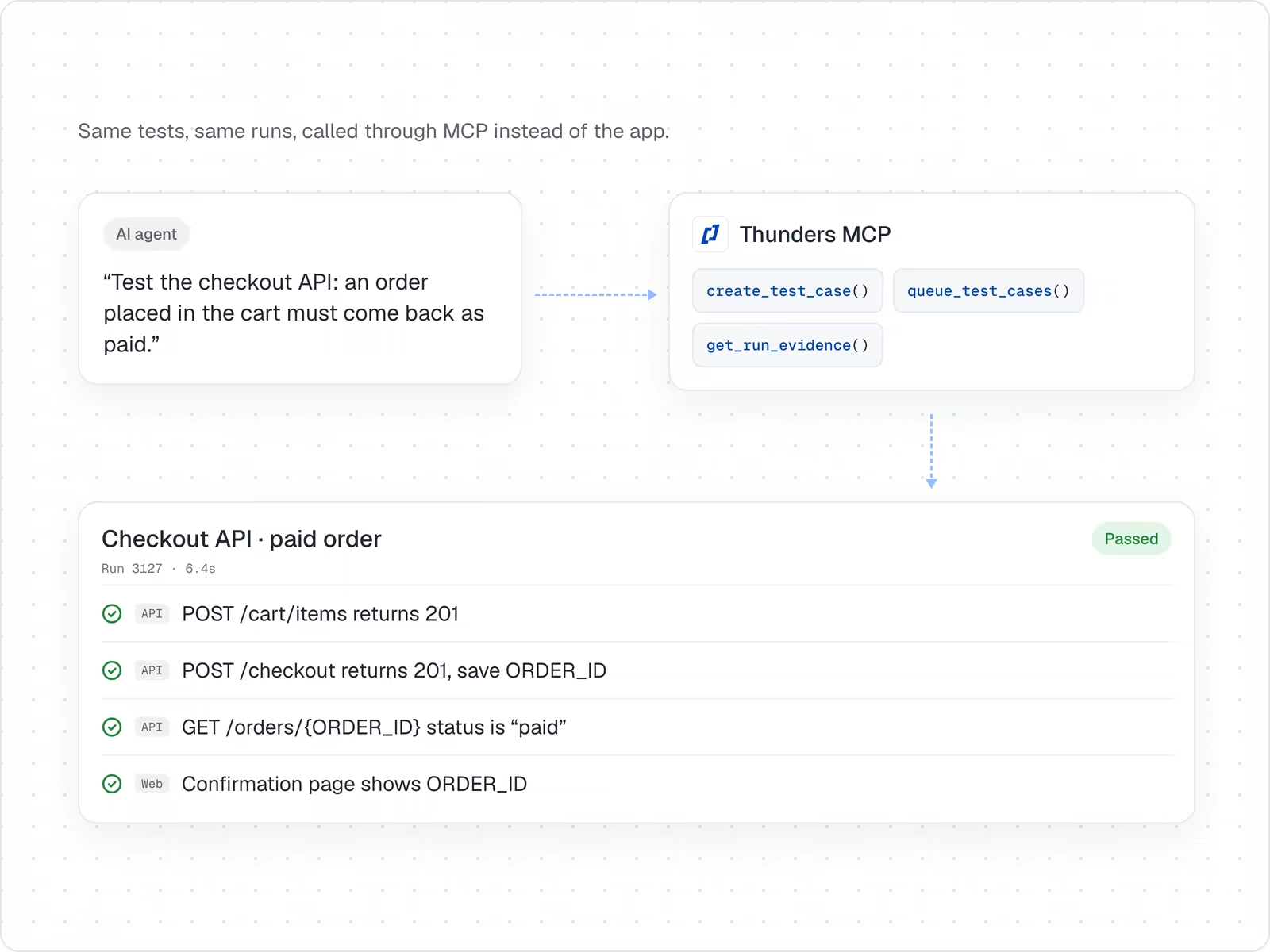
Called by an agent, tested the same way
Thunders exposes its own MCP server, so an AI agent can generate and run tests through the same interface your team uses, straight from a URL, in minutes. If your product is becoming an API that agents call, the tests that protect it work the same way.
See it on a real flow: checkout with a payment API
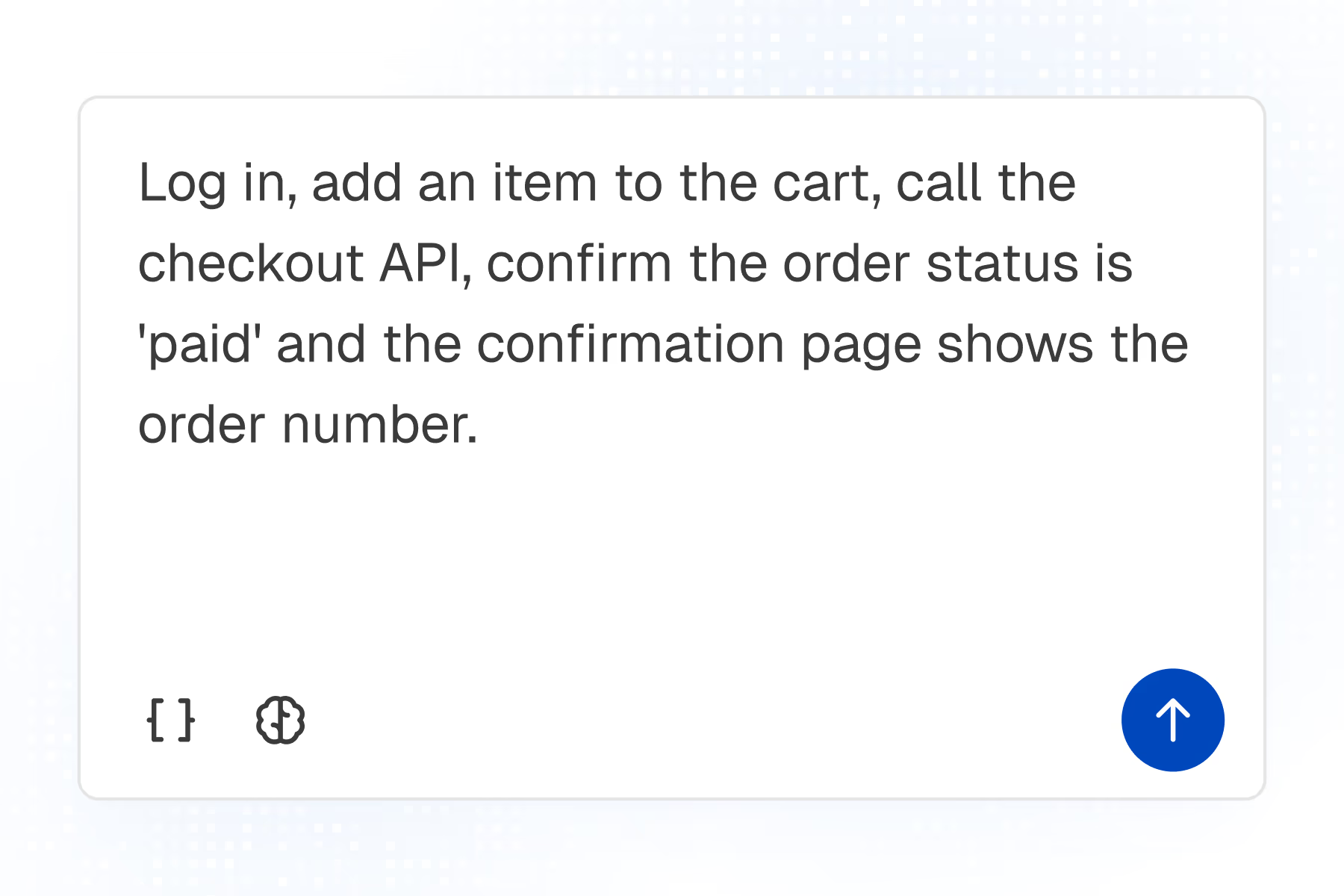
1. Describe
Log in, add an item to the cart, call the checkout API, confirm the order status is 'paid' and the confirmation page shows the order number.
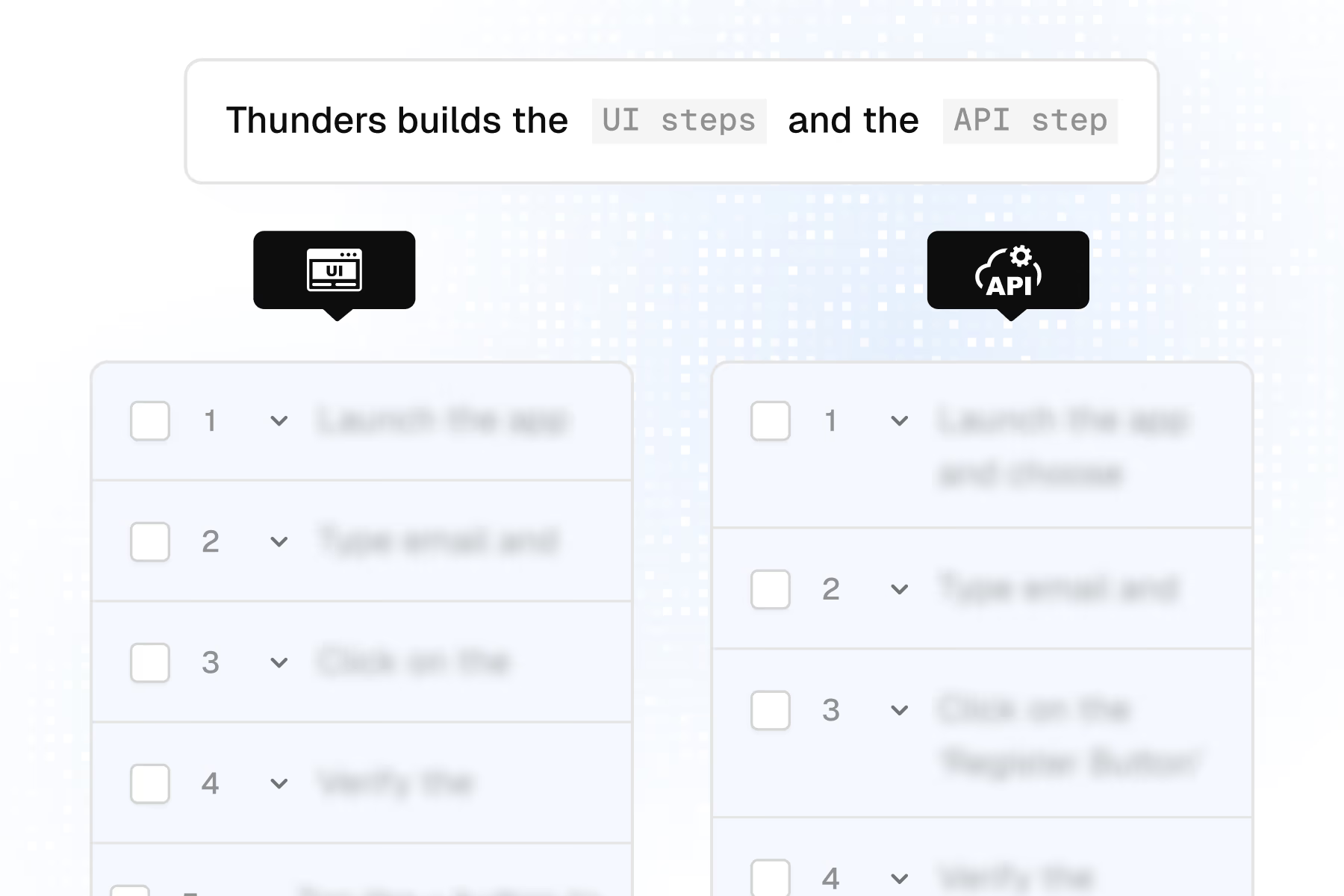
2. Generate
Thunders builds the UI steps and the API step, with checks on the response status and the returned order ID.
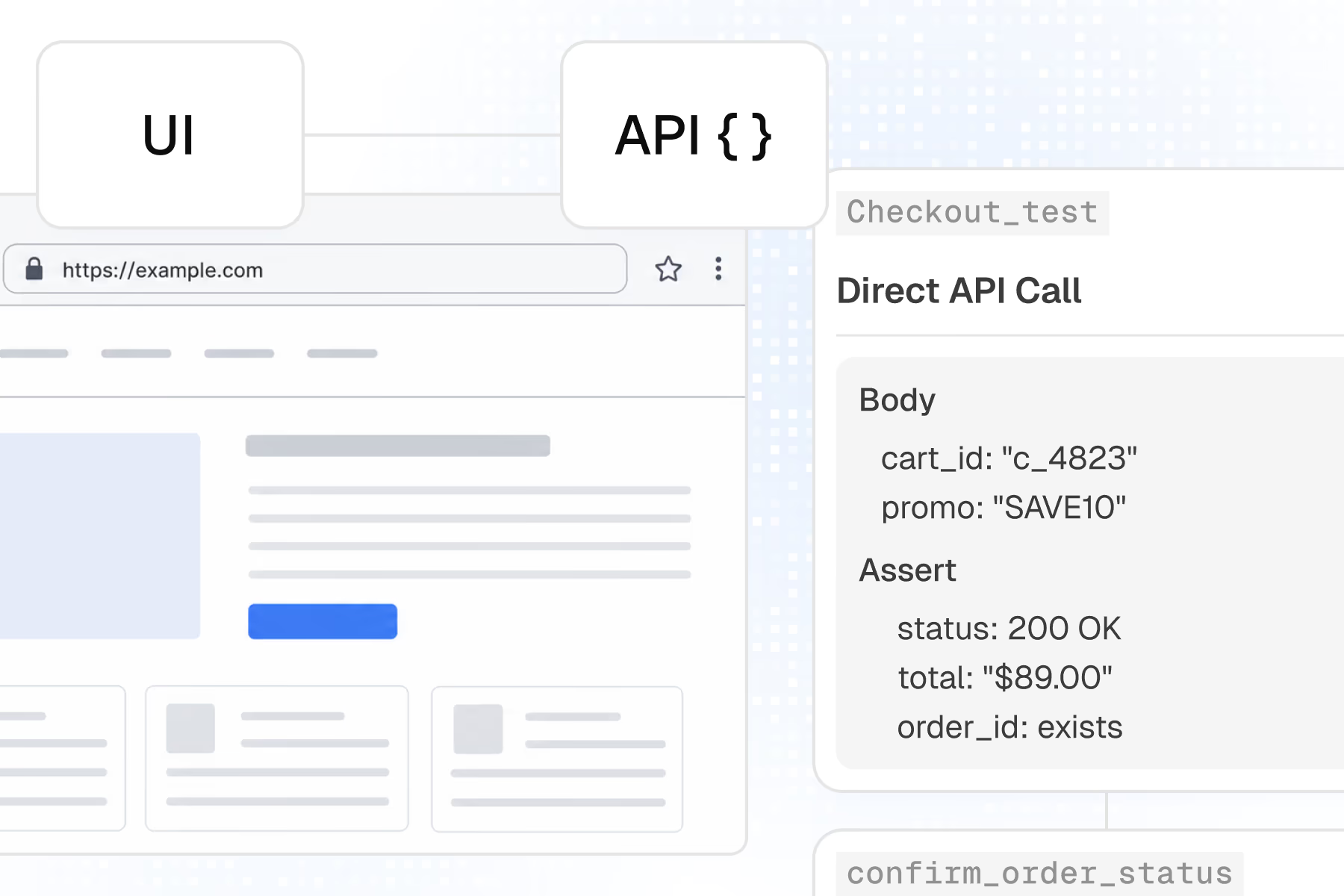
3. Execute
The test runs the UI actions and the API call together, in your CI pipeline. Pass or fail report in minutes.
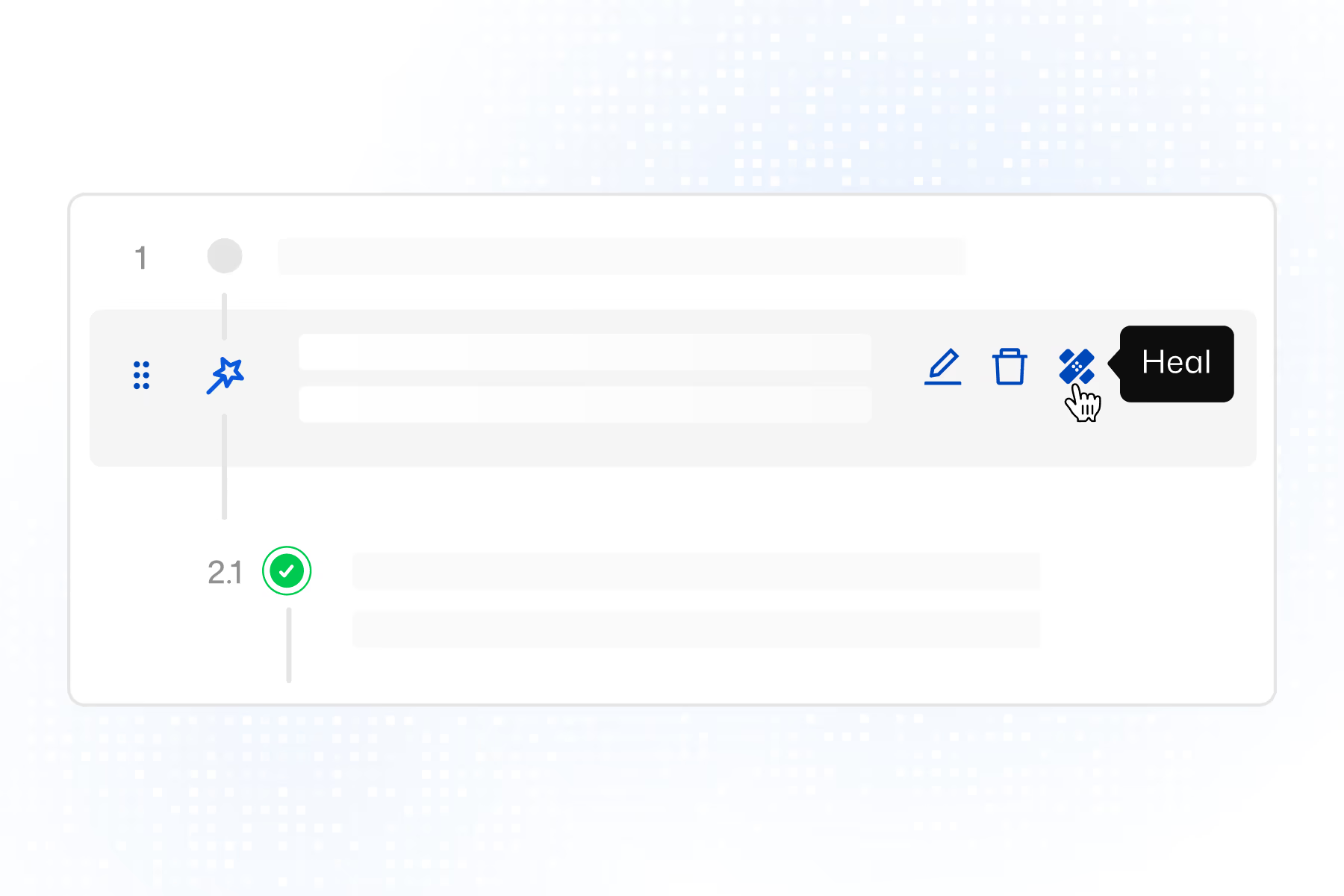
4. Maintain
Next sprint the response adds a new field. Your existing checks keep working; add the new assertion in one line of plain language.
Thunders, an HTTP client, or a code framework?
Three things get called “API testing”, and they do not do the same job. An HTTP client is where you discover an API. Thunders is where the check for it lives afterwards, next to the user flow that depends on it. Most teams keep both. If you would rather not build the suite at all, specialists can build and maintain it for you.
Thunders
HTTP client (Postman, Insomnia, Bruno)
Code framework (REST Assured, Karate)
Plugs into your stack in minutes.
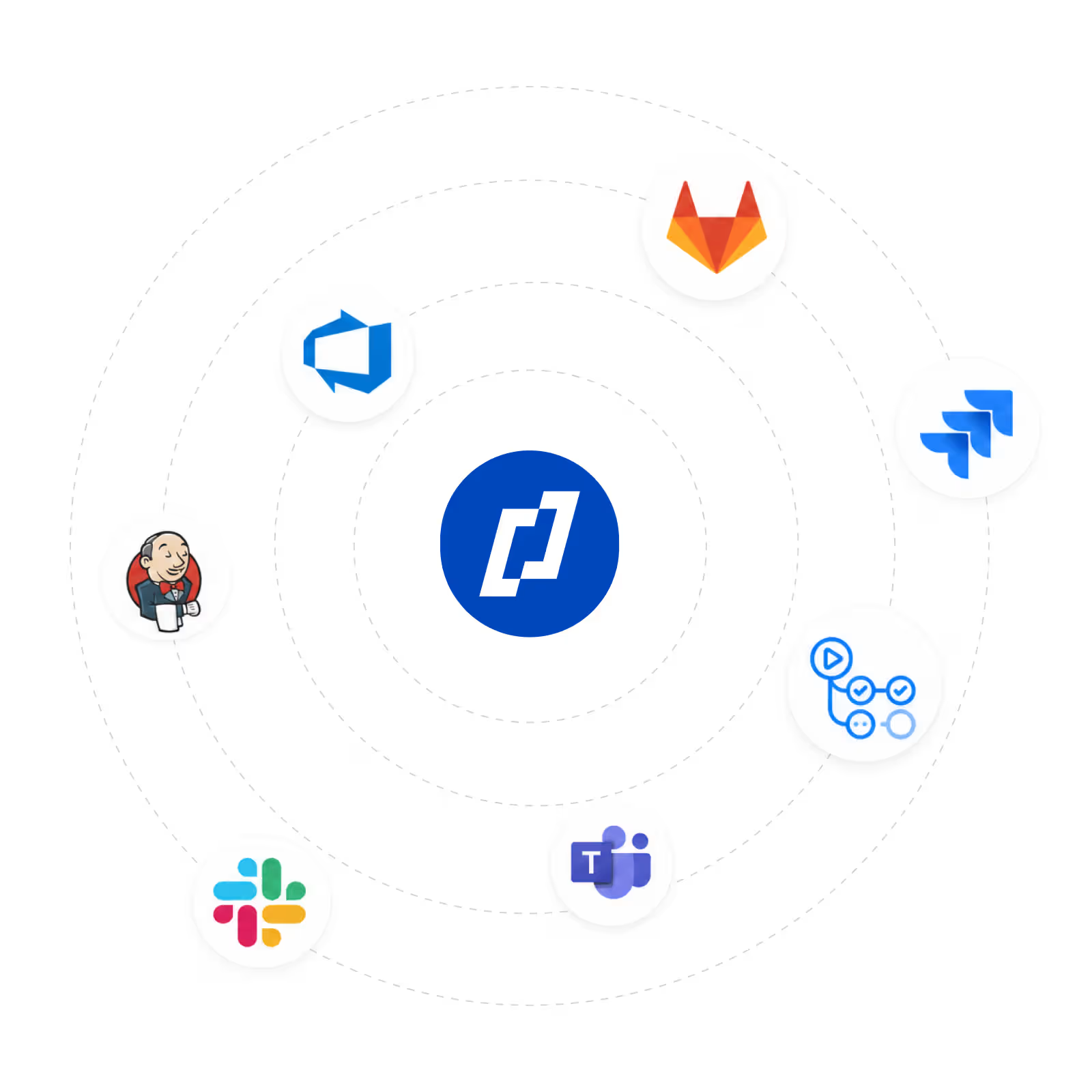
GitHub Actions, GitLab CI, Jenkins, Azure DevOps, Jira, Slack and Teams. Trigger API tests on every merge, next to the UI tests they belong with.
Frequently Asked Questions
Can I test an API without writing code?
Yes. Describe the endpoint, the method, the payload and what a correct response looks like, in plain language. Thunders builds the runnable test, including the checks on status code, headers and response fields. There are no assertions to hand-write and no framework to stand up first.
What is automated API testing?
Automated API testing means calling your endpoints inside a repeatable test and asserting on what comes back, instead of checking responses by hand in an HTTP client. It catches what a UI test cannot see: a wrong status code, a missing field, or a value that changed shape, and it runs on every merge rather than once before release.
Which HTTP methods and authentication types does Thunders support?
GET, POST, PUT, DELETE and PATCH, with No Auth, Bearer Token and Basic Auth. Thunders handles the authentication setup for you rather than leaving it to be wired up per test.
How is Thunders different from Postman?
An HTTP client like Postman is where you explore an API and call it by hand. Thunders is where the automated check lives afterwards: it generates the test from a description, keeps it beside the UI flow that depends on the endpoint, and runs both in your pipeline on every merge. Most teams keep their HTTP client and use Thunders for the suite.
Can one test cover both an API call and the UI flow around it?
Yes, and that is the point. A single test can log in through the interface, call the endpoint, and check that the page reflects what the API returned. You maintain one test instead of a UI suite and an API suite that drift apart.
Can I run API tests in my CI/CD pipeline?
Yes. Thunders plugs into GitHub Actions, GitLab CI, Jenkins, CircleCI and Azure DevOps, so API tests run on every merge request, next to the UI tests they belong with, with results in Jira, Slack and Teams.
See more use cases
Ready to ship faster with smarter testing?